
It's time to find and use your songbook.
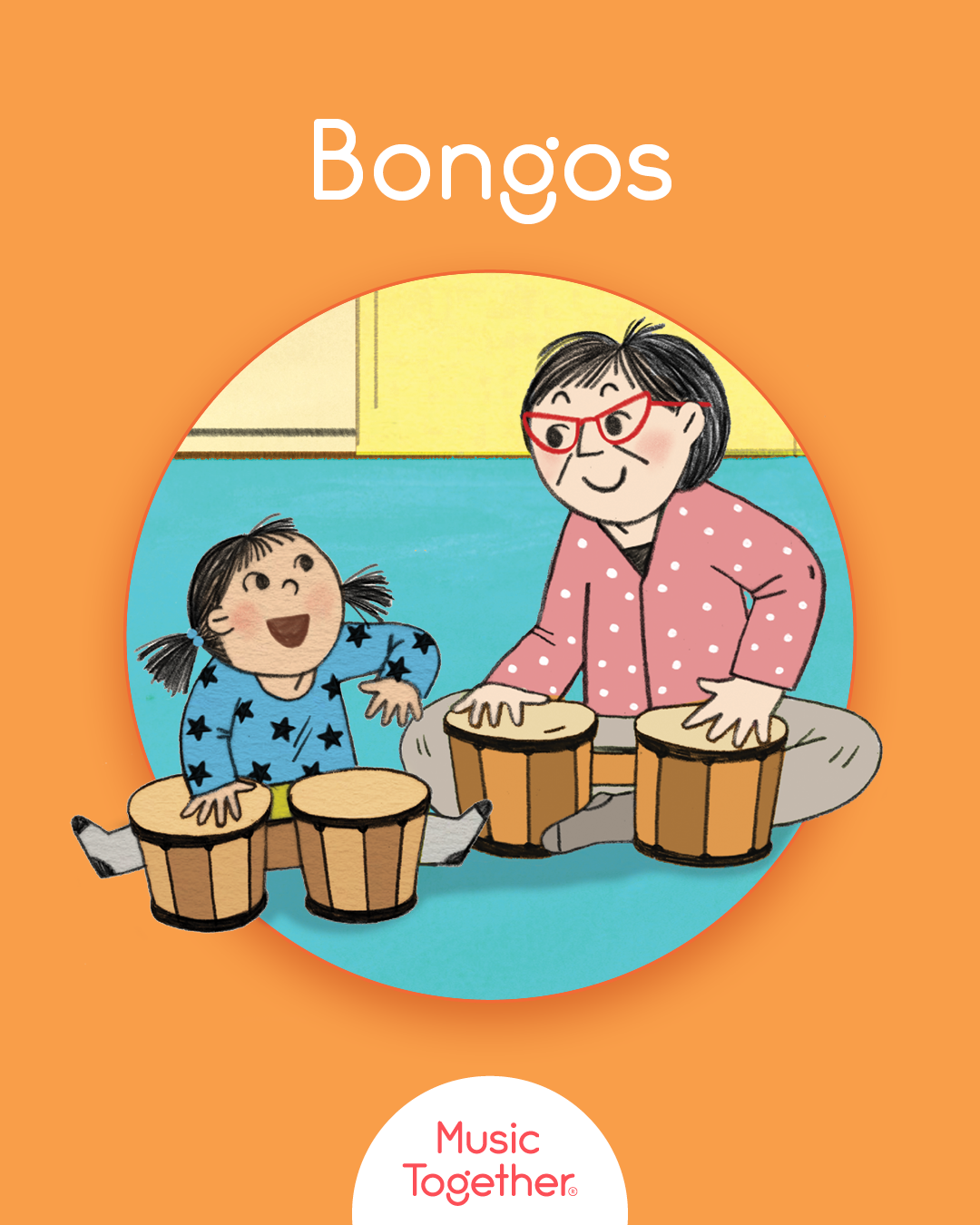
We have reached my favorite part of the semester. By now your child knows these songs. You know them too, whether you planned to or not. The teachers can feel it in the room too. The singing is more confident. Even classroom management is a little easier with both adults and children.
A while back I wrote about what it feels like to go to a concert where you already know every song. That is where you and your family are right now. You hear the first notes of a favorite song and you get excited. You know what's going to happen next. Your children feel that. Our teachers notice the difference too. A baby who knows the songs wiggles with excitement using what we call a "signature move". Older toddlers even begin to sing bits of songs from class at home while they're playing. This is the stretch of the semester when the songs stop being new and start belonging to you.
But what about the book?
You remember the book. It came home with you on the first day of class. It had the code that you used to download the songs. Some of you know exactly where yours is right now. It lives on the bookshelf in your child's room, and it's well-worn from being chewed on or handled by little hands. Others of you may need a minute. It might be under the car seat. It might be buried in the back of a pile of unused items. Some of you haven't opened it since the first day of class. Your book misses you. It has been waiting patiently all semester, and now it's time to get it out.
Here is why you want this. When your toddler points to a picture in the songbook and starts singing, she is doing something remarkable. She understands that a picture can stand for something else. This is called symbolic understanding, and it is one of the first steps toward reading. A picture of a train always means the train song, the same way the letters c-a-t will one day always mean cat. Every parent I know wants this for their child, and this music is giving it to you.
Here is how it happens. This starts much earlier than most parents expect. Babies around nine months old will often try to grab a picture off the page as if it were the real thing. By about eighteen months to two years, most children understand that a picture refers to something. What builds that understanding is repetition. Your child needs to see the same picture and hear the same song again and again until the connection clicks.
And it clicks best with you. A picture on its own does not become a song. It becomes a song because someone your child loves held the book open, looked at the page with them, and sang. A recording can play the song, but it cannot point to the picture or wait for your child to turn the page.
This is why we ask so much of you in class. Every time we ask you to sing, move, or do hand gestures with the lyrics, we're working toward something more. This is one of the goals musical play builds toward. Some of you love to sing. Some of you came in as reluctant singers. And some of you don't enjoy singing. Your child has never heard your voice that way. You sang, and your child noticed your enthusiasm. This is one of the payoffs of this kind of play. Your voice is the one that turns a picture into a song. No matter what you think of your voice, it's your child's favorite.
Many of you already use the book. Your child sees the picture and starts singing before you even turn the page. Your child is reading the book. You did that by singing to them.
If you haven't tried this, now is the time. Here is my charge to you. Get the book out every day. Before bed is a good time to try it, but it certainly doesn't have to be then. Open it to one song and sing it with your child. Leave the recording off and use your own voice. Let your child pick the page and point to the pictures. One song a day is enough. If they want another one, sing another one.
If your book is hiding, this is a good time to go find it.
The semester will end soon, but the book and the songs stay with you. Open it tonight and see which page your child picks. And when you are ready for the next collection, there is a spot for your family. You can find class information at mistermikesmusic.com.
